

Samsung could be preparing a major camera change for its next Ultra flagship. According to a new leak, the Samsung Galaxy S27 Ultra may abandon the separate 3x and 5x telephoto cameras in favor of a single 4x telephoto system with a significantly larger sensor.
The rumored camera could use a 1/1.9-inch sensor, potentially giving the Galaxy S27 Ultra better light capture and improved detail than Samsung’s current smaller zoom sensors. The information remains unofficial, but if Samsung follows through, it could mark one of the biggest changes to the Galaxy Ultra camera setup in years.
Galaxy S27 Ultra Could Get a Three-Camera Setup
The biggest detail in the leak is not simply the new sensor. It is Samsung’s alleged decision to remove one of the Ultra series’ dedicated zoom cameras.
According to leaker @phonefuturist, Samsung is testing a 4x superzoom telephoto camera designed around a 1/1.9-inch sensor. The tipster later clarified that the sensor is being tested specifically for the Galaxy S27 Ultra.
If accurate, this would mean the upcoming Ultra model could move from the familiar four-camera arrangement to a three-lens rear camera system.
Why Samsung May Be Removing the 3x and 5x Cameras
Samsung has traditionally used multiple telephoto cameras to cover different focal lengths. The approach provides dedicated optical zoom levels rather than relying heavily on digital cropping.
The rumored 4x telephoto would sit between those two focal lengths. That makes the change interesting because Samsung would be giving up dedicated 3x and 5x hardware in exchange for a single sensor that could potentially deliver stronger overall image quality.
The strategy could also allow Samsung to put more money, space and engineering effort into one larger zoom sensor.
A Much Larger Telephoto Sensor Could Make the Difference
The rumored 1/1.9-inch sensor is particularly important. A larger sensor generally has more physical area available for capturing light, although final image quality also depends on pixel size, lens design, processing and software.
For comparison, the current Galaxy Ultra approach has used considerably smaller telephoto sensors. The referenced 5x camera uses a 1/2.52-inch-class sensor, while the 3x camera uses a 1/3.94-inch-class sensor.
That would make the rumored 1/1.9-inch unit substantially larger than either dedicated zoom sensor.
Better Zoom Photos in Difficult Lighting?
A larger telephoto sensor could be especially useful when lighting conditions become challenging.
Telephoto cameras naturally receive less light than the primary wide camera because of their longer focal length and lens design. A larger sensor could give Samsung more data to work with, potentially improving fine details, shadow information and noise control.
However, a bigger sensor alone does not guarantee dramatically better photographs. Samsung would still need to match it with a strong telephoto lens, stabilization and image-processing algorithms.
Samsung Could Lean More Heavily on Computational Photography
If the Galaxy S27 Ultra really loses its dedicated 3x and 5x cameras, software will become even more important.
Samsung could use computational photography to create high-quality results at different zoom levels. The 4x optical camera could act as the main hardware foundation, while AI-assisted processing and multi-frame image stacking could help produce usable 3x, 5x and longer-range images.
This approach would be similar to how modern flagship phones increasingly combine optical hardware with computational zoom rather than relying entirely on multiple physical lenses.
The Camera Hardware Is Still Unconfirmed
It is important to keep expectations in check. The 1/1.9-inch 4x telephoto sensor has not been officially announced by Samsung.
The information currently comes from a leak, and Samsung could change the hardware before mass production. Camera specifications are also among the components that can change during the testing and development stages of a flagship smartphone.
So, for now, the rumored 4x camera should be treated as a potential Galaxy S27 Ultra feature rather than a confirmed specification.
Galaxy S27 Ultra Rumored Specifications
The following specifications are based on current rumors and leaks, so they may change before Samsung officially introduces the phone.
| Specification | Samsung Galaxy S27 Ultra — Rumored |
|---|---|
| Expected Model | Galaxy S27 Ultra |
| Expected Launch | 2027 |
| Operating System | Android 17 |
| User Interface | One UI 9 |
| Main Camera | Rumored high-resolution flagship sensor |
| Telephoto Camera | 4x superzoom |
| Telephoto Sensor | 1/1.9-inch type, rumored |
| Current Dedicated Zoom Cameras | Rumored to be replaced |
| Rear Camera Count | Potentially 3 cameras |
| Optical Zoom Strategy | Single 4x telephoto |
| Image Processing | Advanced computational photography expected |
| Processor | Next-generation Qualcomm Snapdragon flagship, rumored |
| Chip Variant | Snapdragon 8 Elite Gen 6 Pro or customized Galaxy variant, rumored |
| Software at Launch | Android 17 with One UI 9 |
| Official Status | Unconfirmed / Rumored |
Snapdragon 8 Elite Gen 6 Could Power the Ultra
The camera will not be the only major upgrade expected from Samsung’s next Ultra flagship.
The Galaxy S27 Ultra is also rumored to arrive with a new-generation Qualcomm flagship processor. Current speculation suggests Qualcomm could split its flagship platform into a standard Snapdragon 8 Elite Gen 6 and a higher-tier Pro version.
Samsung could potentially use the more powerful version in the Galaxy S27 Ultra.
Another possibility is that Samsung could continue its familiar strategy of using a customized “For Galaxy” variant with additional optimization or higher clock speeds.
One UI 9 and Android 17 Are Also Expected
The Galaxy S27 Ultra is expected to launch with Samsung’s next major software generation.
That means One UI 9 could arrive alongside Android 17, bringing Samsung’s latest interface changes, AI features, security improvements and camera-processing optimizations.
Software could be particularly important if Samsung moves toward a single telephoto camera. Better processing would help the phone compensate for the absence of separate 3x and 5x hardware.
How the Camera Change Could Affect Real-World Zoom
On paper, removing two telephoto cameras sounds like a downgrade. In practice, the result could be very different.
A larger 1/1.9-inch telephoto sensor could capture considerably more information than smaller zoom sensors. Samsung could then use that additional data to create sharper digital crops between and beyond the native 4x range.
The key question will be how Samsung balances native optical detail versus computational zoom.
If its algorithms are strong enough, users may not miss the dedicated 3x and 5x cameras. If not, photographers could notice differences at specific zoom levels.
A Potentially Smarter Use of Camera Hardware
Samsung’s rumored approach could represent a shift from simply adding more cameras toward making each camera more capable.
Instead of using several relatively small telephoto sensors, Samsung could invest in one larger and more versatile zoom camera. That could also simplify the rear camera module while potentially leaving more internal space for other components.
For everyday users, the real test will be whether photographs actually look better—not how many lenses appear on the back.
Galaxy S27 Ultra vs Current Ultra Camera Philosophy
The rumored Galaxy S27 Ultra setup would represent a noticeable departure from Samsung’s established Ultra strategy.
Current approach: Multiple dedicated focal lengths, including separate telephoto cameras.
Rumored S27 Ultra approach: One larger 4x telephoto camera combined with computational processing.
The second strategy could offer stronger image quality from the primary zoom camera while sacrificing the flexibility of having multiple native optical focal lengths.
That trade-off could make the Galaxy S27 Ultra one of Samsung’s most interesting camera experiments in recent years.
What We Expect From Samsung Next
For now, the 1/1.9-inch 4x telephoto camera remains a leak, not an official Galaxy S27 Ultra specification. Samsung has plenty of time to change the camera hardware before the phone reaches the market.
Still, the rumored combination of a larger telephoto sensor, advanced image processing, Android 17, One UI 9 and a new Snapdragon flagship chip suggests Samsung may be looking beyond simply adding more lenses.








Top Mobile Brands












Latest News
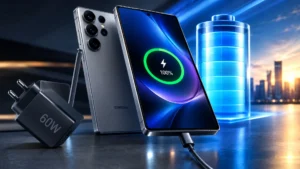
Samsung Galaxy S27 Ultra’s 5700mAh Battery Could Hide a Charging Speed Upgrade
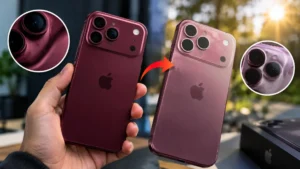
iPhone 18 Pro Owners Report Burgundy Discoloration Around the Camera Area
iPhone 18 Pro Users Report Strange Popping Sounds From Earpiece After iOS 27.0.1
Tecno Pova Curve 2 Coming to Pakistan Soon With Dimensity 7100 and 8,000mAh Battery
Redmi Note 17 5G Endurance Results Are Here Xiaomi Made a Big Battery Leap

Zawar Alam is a passionate technology and mobile phone content writer with years of experience covering the latest smartphones, gadgets, apps, and tech trends. He specializes in delivering accurate news, detailed specifications, feature comparisons, and helpful buying guides. His goal is to provide readers with clear, reliable, and up-to-date information to help them make informed technology decisions. Through his work, he stays committed to tracking the fast-changing world of mobile technology and consumer electronics.