

Google is preparing to roll out a long-requested improvement for Android’s default Phone app that could change how users handle VoIP calls across different platforms.
The company has been testing a new feature that allows users to interact more smoothly with calls made through apps like WhatsApp, Telegram, and Messenger directly from the native dialer. Instead of switching between apps, users may soon be able to manage and return these calls straight from the default Phone by Google app.
Testing Found in Latest Android Build
The feature was recently spotted running on a Pixel 9 device using the latest Android Canary 2605 build. It appears under a new section called “Calling accounts” inside the settings of the Phone by Google app, which serves as the default dialer on Pixel smartphones.
This suggests that Google is actively preparing the feature for broader release after extended internal testing.
Third-Party Apps in Call History
One of the biggest changes is the ability for third-party calling apps to integrate directly into the phone’s call history. Once enabled, calls made through supported VoIP apps can appear alongside regular cellular calls in the native call log.
This means users will be able to tap a contact in the call history and directly return the call using the same app it originally came from, without manually opening WhatsApp, Telegram, or other services.
How the Feature Works
The system is built on Android’s telecom framework, which allows third-party apps to register their calls with the operating system. These calls then appear in the default Phone app just like normal network calls.
This deeper integration makes VoIP calling feel more unified with traditional phone functions, reducing friction when switching between communication apps.
Availability on Android 16.1 and Later
According to current testing details, the feature is expected to roll out on devices running Android 16.1 and newer. Once officially released, it should be available across supported Android smartphones, not just Pixel devices.
If widely adopted, this update could make Android’s calling experience more consistent, bringing standard phone and internet-based calls into a single, unified system.









Top Mobile Brands












Latest News

Oppo Find X10 E Launches in China with Familiar Design and a New Flagship Chip

Realme 16 Pro Harry Potter Edition Hands-On This Phone Changes Color Like Magic
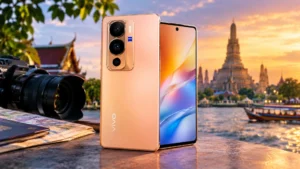
vivo V80 Hands-On Gives First Real-World Look at Its New Design and Camera Hardware

Honor Magic9 Pro Max Benchmark Leak Hints at a Powerful Snapdragon 8 Elite Gen 6 Setup

OPPO Find X10 Series Reveals 8,000mAh Battery and Triple 200MP Camera Power
